Top Early Childhood Education Tips for Parents
- piedpiperpreschool3
- Jun 15
- 4 min read
Early childhood education is a crucial phase in a child's development. As parents, you play a significant role in shaping your child's learning experiences. This blog post will provide you with practical tips to support your child's educational journey, ensuring they thrive both academically and socially.
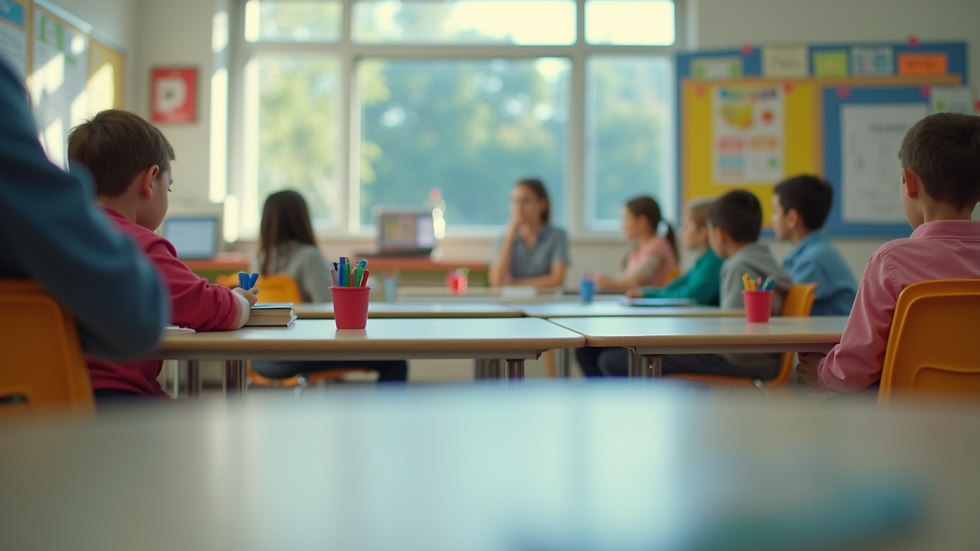
Understanding Early Childhood Education
Early childhood education refers to the period of learning that occurs from birth to around eight years old. During this time, children develop foundational skills that will serve them throughout their lives. This phase is characterized by rapid brain development, making it essential for parents to engage actively in their child's learning.
The Importance of Early Learning
Research shows that children who receive quality early education are more likely to succeed in school and beyond. They develop better social skills, emotional regulation, and cognitive abilities. By investing time and resources in early childhood education, you are setting your child up for a brighter future.
Create a Learning Environment at Home
One of the most effective ways to support your child's education is by creating a conducive learning environment at home. Here are some tips to get started:
Designate a Learning Space
Choose a quiet area: Select a space in your home that is free from distractions.
Organize materials: Keep educational toys, books, and art supplies within reach to encourage exploration.
Make it inviting: Use bright colors and comfortable seating to create a warm atmosphere.
Encourage Reading
Reading is fundamental to early childhood education. Here are some strategies to foster a love for reading:
Read daily: Set aside time each day to read with your child. Choose a variety of genres to keep it interesting.
Visit the library: Make regular trips to the library to explore new books and participate in storytime sessions.
Discuss stories: Ask questions about the stories you read together to enhance comprehension and critical thinking.
Engage in Play-Based Learning
Play is a vital component of early childhood education. It allows children to explore, experiment, and learn in a natural way. Here are some ways to incorporate play-based learning into your child's routine:
Use Educational Games
Board games: Choose games that promote problem-solving and critical thinking skills.
Puzzles: These help develop spatial awareness and fine motor skills.
Role-playing: Encourage imaginative play by providing costumes and props.
Outdoor Activities
Nature walks: Explore your local environment and discuss the plants and animals you encounter.
Gardening: Teach your child about responsibility and the science of growing plants.
Sports: Engage in physical activities that promote teamwork and coordination.
Foster Social Skills
Social skills are essential for your child's success in school and life. Here are some tips to help your child develop these skills:
Encourage Group Activities
Playdates: Organize playdates with peers to help your child practice sharing and cooperation.
Group classes: Enroll your child in classes such as art, music, or sports to promote teamwork.
Model Positive Behavior
Children learn by observing their parents. Demonstrate positive social interactions by:
Practicing empathy: Show understanding and compassion towards others.
Communicating effectively: Use clear and respectful language when speaking with your child and others.
Support Emotional Development
Emotional intelligence is just as important as academic skills. Here are ways to nurture your child's emotional growth:
Encourage Expression of Feelings
Talk about emotions: Help your child identify and express their feelings using appropriate language.
Use stories: Read books that address emotions and discuss the characters' feelings.
Teach Coping Strategies
Mindfulness: Introduce simple mindfulness exercises to help your child manage stress and anxiety.
Problem-solving: Encourage your child to think of solutions when faced with challenges.
Stay Involved in Their Education
Being an active participant in your child's education can significantly impact their learning experience. Here are some ways to stay engaged:
Communicate with Educators
Attend meetings: Participate in parent-teacher conferences to discuss your child's progress.
Volunteer: Offer your time to help in the classroom or during school events.
Monitor Progress
Set goals: Work with your child to set achievable learning goals and celebrate their accomplishments.
Provide feedback: Offer constructive feedback on their work to encourage improvement.
Utilize Technology Wisely
In today's digital age, technology can be a valuable tool for learning. However, it's essential to use it wisely. Here are some tips:
Choose Educational Apps
Research: Look for apps that promote literacy, math skills, and creativity.
Limit screen time: Set boundaries on daily screen time to ensure a healthy balance between digital and physical activities.
Encourage Interactive Learning
Online resources: Use websites that offer interactive learning experiences, such as virtual field trips or educational games.
Video tutorials: Explore platforms that provide instructional videos on various subjects.
Conclusion
Supporting your child's early education is a rewarding journey that requires dedication and creativity. By creating a nurturing environment, engaging in play-based learning, fostering social and emotional skills, and staying involved in their education, you can help your child thrive. Remember, the foundation you build during these formative years will have a lasting impact on their future success. Embrace this opportunity to make learning fun and meaningful for your child.


It's so rewarding to look back at my own child's development and see how much progress has been made; the journey of early childhood is truly remarkable. Keeping these kinds of observations documented feels incredibly valuable, almost like a personal handbook for those moments when you need a gentle reminder of how far you've come. I’m especially grateful for the profound real-world significance this perspective holds for navigating parenthood https://www.theage.com.au/ What struck me most about your post was its impressive accuracy in capturing the nuances of early childhood development. It genuinely fills a noticeable void in readily accessible information on this vital topic. It’s fascinating to consider how these formative years directly shape future learning and behavior. This content is…
I stumbled upon this blog and I'm glad I did great overview The quality of writing and the depth of analysis is impressive https://en.wikipedia.org/wiki/Blog Will definitely explore more of your posts.